
Concrete & Driveway Sealing Northern Beaches
Bring back the colour and protection of a faded concrete driveway with a proper clean, careful preparation and a fresh seal.
Glenn personally inspects the concrete, pressure cleans it, grinds where needed and checks the existing coating before recommending a sealer. If your concrete needs more than a reseal, he’ll tell you before quoting.
- Sealing and resealing for driveways, paths and outdoor concrete
- Dulux Avista Accredited Applicator with 30+ years’ experience
- Free sealing quotes across the Northern Beaches
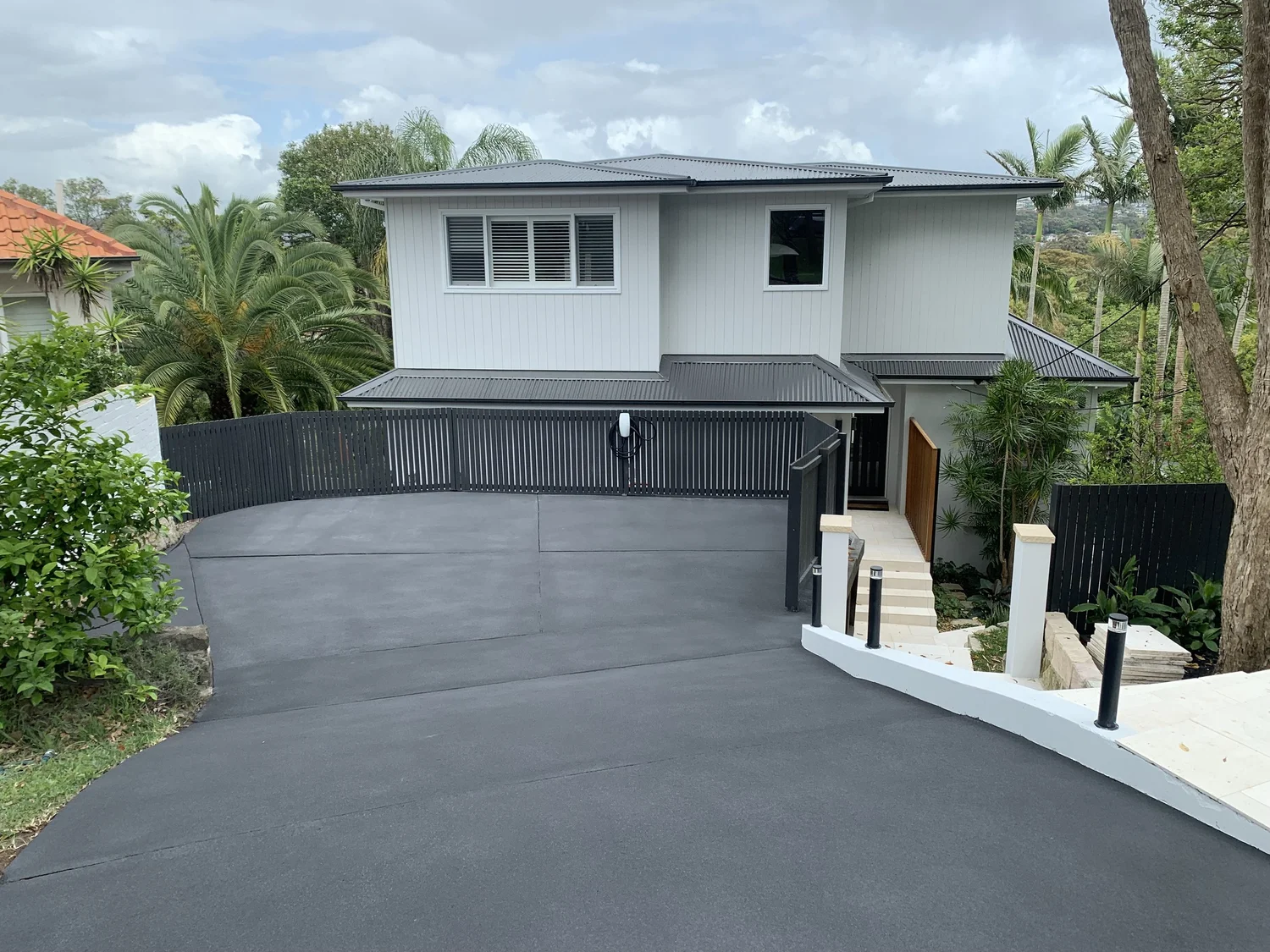
30+ Years’ Experience · Dulux Avista Accredited · Family Owned · Free Inspections and Quotes


Is it time to reseal?
Signs Your Driveway Needs Resealing
- Colour looks faded and dull
- Surface darkens when it gets wet
- Sealer worn through in tyre tracks
- Patchy or uneven sheen
- Grime and stains are harder to clean off
- Worn patches on paths and entries
Dulux Avista generally recommends resealing about every 2 years. How often your concrete needs it depends on traffic, sun exposure and weather. A good sign it’s due: the surface looks faded and dull but darkens when wet.
Why preparation matters
A Seal Is Only as Good as the Prep
A sealer needs clean, sound concrete to bond to. Before any sealing, Glenn pressure cleans the surface, grinds where needed and checks what coating is already on the concrete.
That check matters. Some old coatings can be resealed after a thorough clean. Others have to come off first.
From inspection to finish
Our Sealing Process
The exact method depends on the concrete, the existing coating and the weather. Glenn explains what your surface needs before any work starts.
Assess
Glenn checks the concrete, any cracks, the existing sealer or coating, drainage and access.
Clean
The surface is pressure cleaned to remove dirt, grime, moss and loose material.
Prepare
Grinding or coating removal is done where needed so the new sealer can bond properly.
Repair
Suitable small cracks and chips are treated before sealing. Bigger problems are discussed with you first.
Seal
The selected sealer is applied, with an anti-slip additive where it suits the surface.
Cure
Stay off for at least 24 hours on foot, and keep vehicles off for at least 5–7 days. Glenn confirms the timing for your job and the weather.
The honest answer
Reseal or Resurface?
A reseal suits concrete that’s in good condition, with minimal cracking and a surface that cleans up well.
If the concrete is badly worn, patchy or dated, or the old coating has failed across large areas, driveway resurfacing may be the better choice. Every Dulux Avista resurfacing job is finished with a sealer, because the resurfacing compound isn’t designed to be left unsealed.
Sloping driveways
Anti-Slip Options
Dulux Avista offers a slip-reducing additive powder or crushed glass that can be added to the sealer for more grip. Sealing is suitable for slopes up to a 1:8 incline.
Glenn can advise whether an anti-slip option suits your driveway, path or entry.
Real Northern Beaches work
Frenchs Forest: Resurfaced and Sealed
A weathered exposed-aggregate driveway, finished in silver-grey and sealed.
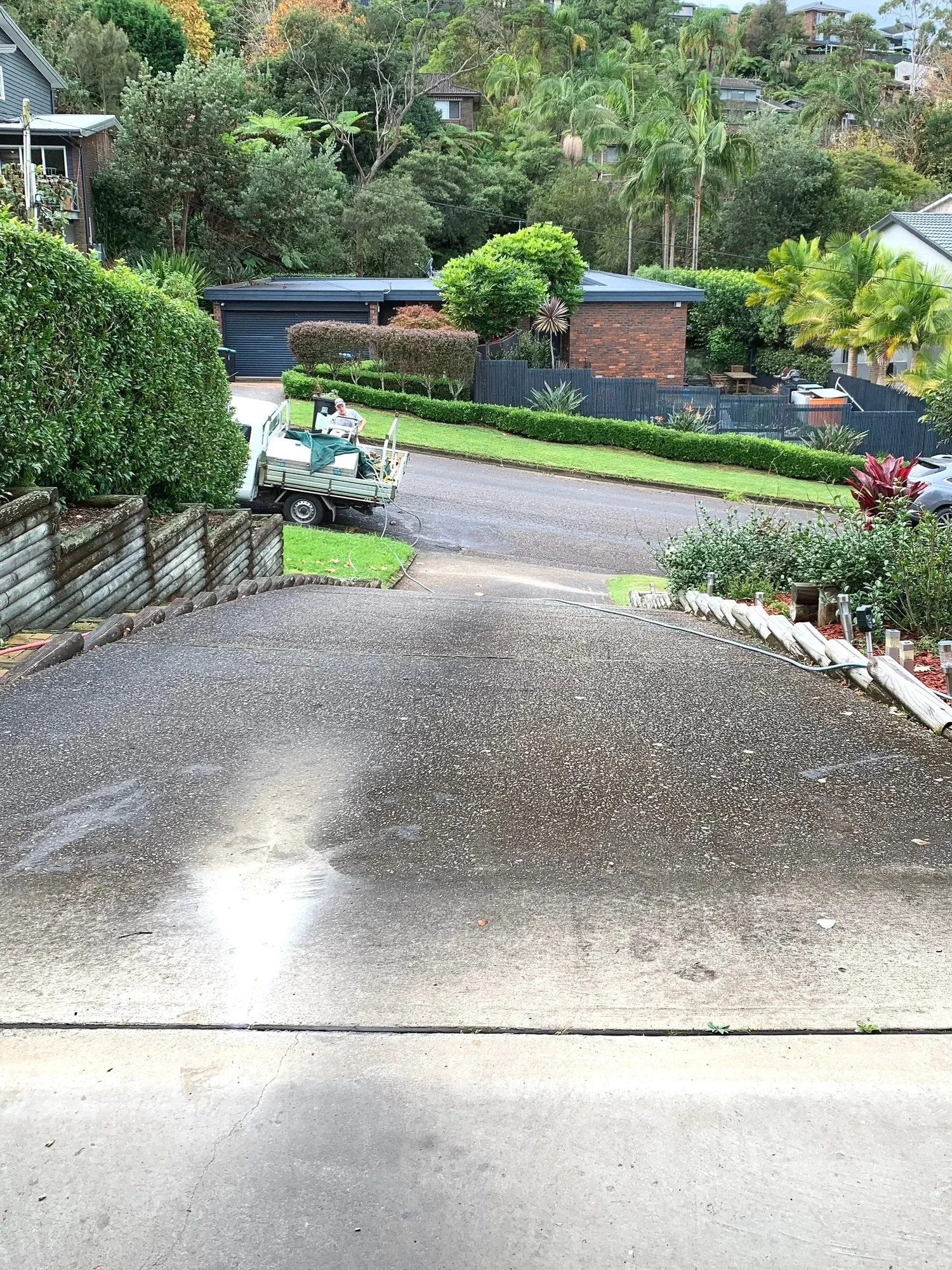
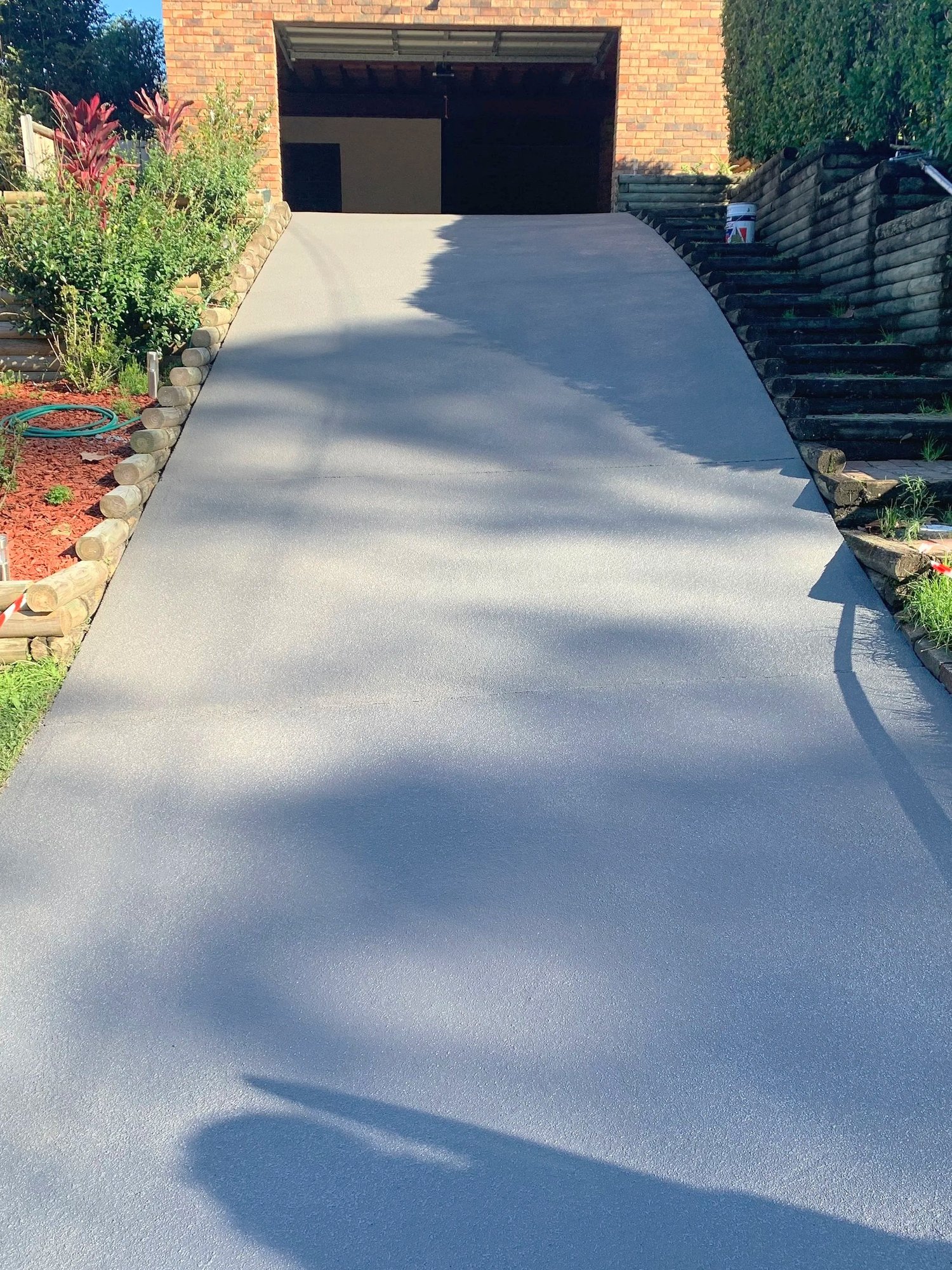
— Michael, Frenchs Forest · Google review
Straight answers
Concrete Sealing FAQs
How often should a driveway be resealed?
Dulux Avista generally recommends about every 2 years. It depends on traffic, sun exposure and weather, so Glenn can check yours and give you an honest answer.
How long before I can walk or drive on it?
Keep foot traffic off for at least 24 hours, and vehicles off for at least 5–7 days. Glenn will confirm the timing for your product and the weather.
Can you seal over my old sealer?
Sometimes. A sound, compatible coating can often be cleaned and resealed. Flaking or peeling sealer needs to be completely stripped first.
Can exposed aggregate be sealed?
Yes, but coloured sealer isn’t used on exposed aggregate. Glenn will advise what suits your surface.
Can painted concrete be sealed?
Not directly. Sealers can’t go over a painted surface, so the paint needs to be removed, or tested for compatibility first.
Do you take on small jobs?
Yes. There’s no set minimum. Send Glenn a few photos and the rough size, and he’ll let you know.
A quick first step
Send Glenn Photos of Your Concrete
Include one photo from the street, a close-up of the current surface, any worn or peeling areas, your suburb and the approximate square metres.